

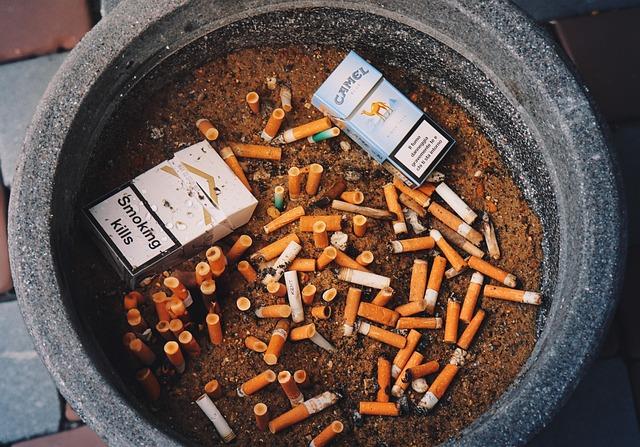
You’ve nailed your kozmetika routine-carefully chosen serums, a trusted makeup lineup, maybe even the occasional facial or peel-yet your glow still won’t stick. If you smoke, that could be the quiet saboteur behind lackluster results. No judgment here: this post is about understanding what’s going on so you can get the most from the time and money you put into your beauty care.
Smoking doesn’t just show up as fine lines; it changes how your skin, lips, and even hair respond to products and treatments. From reduced circulation that dulls your complexion, to collagen breakdown that blurs firmness, to staining and inflammation that fight your best brightening and smoothing efforts-cigarettes make kozmetika work harder for smaller payoffs.
In this guide, we’ll break down how smoking affects everything from daily skincare to in-salon treatments, why results may fade faster, and simple tweaks you can try right now. Whether you’re cutting back, quitting, or just getting smarter about your routine, consider this your friendly, practical roadmap to better-longer-lasting-kozmetika results.
Table of Contents
- Why smoking starves your skin blood flow oxygen and product absorption
- Collagen loss slower healing and stubborn pigmentation what this means for treatments and peels
- Makeup and skincare performance why products fade sting or pill on smokers skin and how to fix it
- Your action plan antioxidant rich routine vitamin C niacinamide gentle retinoids deep hydration high SPF and smoke free windows before procedures
- Closing Remarks
Why smoking starves your skin blood flow oxygen and product absorption
Each puff sets off a chain reaction beneath the surface. Nicotine tightens tiny facial vessels, narrowing the pathways that deliver nutrients and whisk away waste. At the same time, carbon monoxide competes with oxygen in your bloodstream, so even the blood that does make it through carries less of what your cells need to glow and repair. The result is a complexion that looks tired sooner, heals slower, and doesn’t bounce back after treatments the way it should.
- Vasoconstriction: Blood flow to the skin drops, especially in the microcirculation that feeds the dermis.
- Oxygen hijack: Carbon monoxide binds hemoglobin, reducing oxygen delivery for cell energy and renewal.
- Free-radical surge: Oxidative stress and glycation chip away at collagen and elastin, dulling tone and firmness.
- Sluggish detox: Lymphatic flow is reduced, so puffiness and a sallow cast linger longer.
Less circulation and oxygen also mean your Kozmetika has a tougher job. When turnover slows and the outer layer becomes dull and compacted, formulas sit on top instead of moving where they’re needed. Inflammation and depleted antioxidants can further divert actives toward “firefighting” rather than results, so brightening, firming, and smoothing gains appear weaker or short-lived.
- Penetration blocked: A thicker, drier stratum corneum and oxidized sebum create a barrier that hinders absorption.
- Actives get “spent” early: Antioxidants and peptides are consumed countering smoke-induced stress before they can remodel skin.
- Delivery depends on flow: Reduced microcirculation limits how far ingredients diffuse into living layers.
- Recovery is slower: Post-treatment redness, flaking, and spots resolve more slowly, muting visible improvements.
Collagen loss slower healing and stubborn pigmentation what this means for treatments and peels
Smoking weakens collagen and restricts blood flow, so skin can look flatter, feel more fragile, and take longer to bounce back after procedures. That means strong resurfacing isn’t always the fastest route-your skin may peel less predictably and stay reactive longer. Pigment pathways are also more easily triggered by tobacco-related inflammation, so blotchiness can linger without the right prep. In clinic, we typically pivot to buffered acids and layered, low-and-slow protocols to protect the barrier while still brightening and smoothing.
- Reduced collagen + elastin: less “snap,” higher risk of post-peel laxity-looking dullness.
- Slower healing: increased downtime, more chance of sensitivity or dryness after peels.
- Stubborn pigmentation: heightened risk of PIH, especially on medium-to-deeper skin tones.
- Unpredictable frosting/peeling: surface may flake unevenly; deeper change takes more sessions.
To get visible results without backlash, we focus on pre-conditioning and gentle consistency. Think: antioxidants to shore up vitamin C stores, tyrosinase inhibitors to quiet melanin, and barrier-first hydration so the skin tolerates treatments better. Peel choices often lean toward PHA, mandelic, or lactic acids, enzyme or oxygen facials, and supportive tech like red/NIR LED. We’ll space sessions a bit wider, keep strengths conservative, and set realistic timelines for glow and tone correction.
- Prep 2-4 weeks: vitamin C, niacinamide, azelaic or tranexamic acid; daily SPF 50; ceramides for barrier support.
- During treatment: layered, lower-strength peels; avoid aggressive TCA/phenol; consider dermaplaning + enzymes for polish.
- Post-care: no smoking 48-72 hours around appointments, strict sun avoidance, gentle cleanse, humectants + lipids, LED to calm.
- Pigment management: kojic, licorice, arbutin-start before peels and continue between sessions to keep tone even.
Makeup and skincare performance why products fade sting or pill on smokers skin and how to fix it
Smoke changes your canvas. Nicotine and tar constrict blood vessels and dehydrate the surface, so bases sit on a thirsty, uneven texture-hello, patchy fade by noon. A compromised barrier plus lingering smoke particles can trigger tingling when actives go on, and sebum mixed with residue turns tacky, causing creams to roll off in little balls. Add glycation (from repeated exposure) that stiffens collagen, and even the smartest formulas can underperform. If your foundation melts, stings, or pills after a break outside, it’s often the cocktail of dehydration, residue, and rushed layering-not the product itself.
- Fading: Vasoconstriction + TEWL = makeup loses grip and looks dull.
- Stinging: Irritated barrier + fragrance/strong acids after smoke exposure.
- Pilling: Too many silicones, heavy occlusives, or sticky serums layered fast.
- Oxidizing: Smoke and oil can darken bases; shade shifts by afternoon.
- Clingy texture: Dry flakes + residue make product collect in patches.
Rebuild the base, then refine the routine. Start with a deep-yet-gentle cleanse (oil or balm, then a mild gel) to lift smoke film, follow with a hydrating mist or essence, and lock it with barrier-first layers: humectant (glycerin/HA) → niacinamide + ceramides → a light, non-comedogenic emollient. Give each step 60-90 seconds to set. Choose makeup with flexible polymers, silicone elastomers for glide, and long-wear that’s not heavy; apply in thin coats with a damp sponge, set with micro-fine powder, and finish with an alcohol-free setting spray. For actives, go low-irritant (azelaic acid, green tea, ectoin) and keep vitamin C/retinoids for nights when you haven’t just been exposed to smoke.
- Pre-cleanse daily: Melt residue before your water-based cleanser.
- Hydrate first: Layer a mist or essence, then serum, then moisturizer.
- Wait times: 60-90 seconds between layers to prevent slip and pilling.
- Smart primers: Gripping, water-based or light silicone blends; avoid piling heavy silicones over sticky gels.
- Barrier care: Niacinamide 2-5%, ceramides, panthenol to reduce stinging.
- Anti-oxidants AM: Vitamin C or ferulic/EGCG serum to fight oxidation.
- Touch-up plan: Blot post-break, mist lightly, re-layer sheer base where needed.
- Lips and eyes: Occlusive balm for lips; tubing mascara to resist smudge in smoke.
- SPF daily: Lightweight, photostable filters; reapply with a powder SPF.
Your action plan antioxidant rich routine vitamin C niacinamide gentle retinoids deep hydration high SPF and smoke free windows before procedures
Oxidative stress from smoke is like tiny sparks on your skin’s barrier-snuff them out daily with a calm, antioxidant-forward routine. In the morning, layer a potent vitamin C serum to neutralize free radicals, follow with niacinamide to ease redness and tighten the look of pores, then seal with comforting moisture and a high SPF to protect every bit of progress. This combo helps skin look brighter, bouncier, and more even-so your kozmetika treatments have a healthier canvas to work on.
- AM routine: Gentle cleanse → Vitamin C (L-ascorbic or stable derivatives) → Niacinamide (3-5%) → Lightweight moisturizer (ceramides/peptides) → Broad-spectrum SPF 50+ (reapply if outdoors).
- Extra shield: Add an antioxidant mist or serum with ferulic acid, resveratrol, or green tea for a multi-antioxidant stack.
Evenings are for quiet repair. Rotate in gentle retinoids to support clarity and smoothness while keeping comfort front and center with deep hydration-think hyaluronic acid, glycerin, and fatty-acid rich creams that cushion the barrier. For best procedure outcomes, create smoke-free windows ahead of appointments to boost circulation and oxygen delivery; your glow will thank you and your results can look more even and last longer.
- PM routine: Double cleanse (if wearing SPF/makeup) → Hydrating serum (HA + glycerin + panthenol) → Gentle retinoid (2-4 nights/week, buffer with cream) → Barrier cream (ceramides/squalane). On off nights, swap retinoid for a peptide or azelaic-based serum.
- Before procedures: Aim for a smoke-free window of 2-4 weeks (minimum 72 hours) to support healing and collagen response; pause retinoids/acids 5-7 days prior per provider advice; hydrate generously; keep SPF strict; run a humidifier to reduce transepidermal water loss.
- Day-of tips: Arrive well-hydrated, wear SPF, avoid heavy actives, and keep environments smoke-free to protect your fresh post-procedure barrier.
Closing Remarks
Wrapping it up: your skin tells the story of your daily habits. Smoking doesn’t just affect long-term health-it also chips away at the glow, bounce, and longevity of your kozmetika results. The good news? Small shifts go a long way. Even cutting back before and after treatments, loading up on antioxidants, staying hydrated, and being diligent with SPF can noticeably boost your outcomes and recovery.
If you’re considering a new treatment plan, chat with your aesthetician about timelines and pre/post-care if you smoke-they can tailor a routine that supports healing and keeps results looking fresher, longer. And if you’re thinking about quitting altogether, we’re cheering you on; your skin (and the rest of you) will thank you.
Have questions or want product recommendations that support smoker’s skin? Drop them in the comments, or send us a message. If you found this helpful, share it with a friend and subscribe for more skin-smart tips. Here’s to choices that make your complexion-and your confidence-shine.