

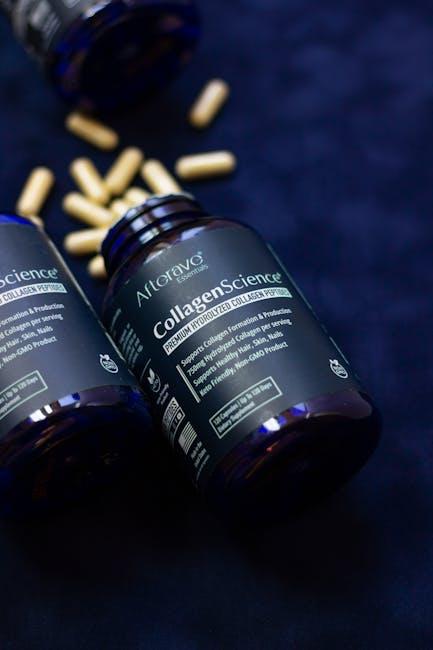
If you’ve ever scanned a serum label and spotted “peptides” or “growth factors” and thought, Sounds fancy… but what do they actually do?, you’re in the right place. In the world of kozmetika, these two buzzwords aren’t just marketing sparkle-they’re science-backed tools that help your skin look and feel its best.
Think of peptides as tiny messengers made of amino acids. They nudge your skin to act younger-supporting firmness, smoothness, and resilience. Growth factors are like the skin’s foremen: larger signaling proteins that guide repair and renewal, encouraging cells to communicate better and rebuild what daily life wears down.
In this article, we’ll break down how peptides and growth factors work on a cellular level (without the jargon), the types worth knowing, and how to read an ingredient list without a chemistry degree. We’ll also cover smart pairings (and what not to mix), who benefits most, and what results you can realistically expect-because great skincare is about consistency, not miracles.
Whether you’re chasing bounce, softening fine lines, or future-proofing your routine, consider this your friendly, no-nonsense guide to harnessing peptides and growth factors in kozmetika. Let’s decode the labels and help your skin get the message.
Table of Contents
- What Peptides and Growth Factors Really Do in Kozmetika
- Choose the Right Ones for Your Goal Matrixyl for lines copper peptides for repair EGF for smoother texture
- Layering That Works Best Pair with vitamin C and niacinamide avoid strong exfoliating acids and heavy retinoids in the same step
- Safe Use and Realistic Results Patch test use on alternate nights at first choose lightweight serums and expect gradual change
- In Conclusion
What Peptides and Growth Factors Really Do in Kozmetika
Peptides are like tiny to‑do notes for your skin-short chains of amino acids that nudge cells to act more youthfully. In Kozmetika formulas, they’re chosen to reinforce the skin’s own language: signaling for a steadier barrier, a springier feel, and a smoother look without heaviness. Because they’re small and targeted, they play well in layered routines, quietly supporting the appearance of firmness while keeping skin comfortable enough to use your favorite actives consistently.
- Firmer-looking skin: Signal peptides encourage a more resilient, lifted appearance over time.
- Calmer, more resilient barrier: Palmitoylated blends (think Matrixyl-style complexes) help skin feel buffered and less reactive.
- Plumper surface: Certain peptides cue more hydrated, bouncy-looking skin, softening the look of fine lines.
- Silky glide without weight: Peptide serums in Kozmetika layer cleanly, boosting results from the rest of your routine.
Growth factors are larger, instruction‑rich proteins that act like coaches-guiding renewal so skin looks smoother, more even, and quick to bounce back. In Kozmetika, lab‑stabilized versions (like sh‑oligopeptide‑1/EGF) are delivered in protective bases to keep them active, helping refine texture and enhance radiance while staying gentle enough for daily use.
- Refined texture: Supports a more uniform surface, minimizing the look of rough patches.
- Bounce-back after stress: Encourages resilient, well‑rested skin when life (and weather) gets noisy.
- More even tone: Helps skin appear brighter by promoting balanced renewal.
- Pro tips for payoff: Apply on clean, dry skin; layer humectants and a moisturizer on top; avoid pairing in the same step with low‑pH acids; choose opaque, airless packaging; and wear SPF daily to protect your progress.
Choose the Right Ones for Your Goal Matrixyl for lines copper peptides for repair EGF for smoother texture
Match your active to the job and your routine will do the heavy lifting. Matrixyl (palmitoyl peptides) helps the look of fine lines appear softer and bouncier, copper peptides (GHK‑Cu) support a more resilient-feeling barrier after stress, and lab-grown EGF encourages a smoother-feeling surface. Think of them as specialists you bring in for specific targets-subtle, steady signals that help skin look more refined over time.
- Softening fine lines: Choose Matrixyl for a plumped, cushioned look.
- Visible repair and comfort: Reach for copper peptides to support balance after actives or seasonal shifts.
- Velvety texture: Try EGF (sh‑Oligopeptide‑1) to refine how skin feels and looks between pores.
Keep application simple so these actives can shine. Use a few drops on clean, slightly damp skin, then seal with moisturizer; in the morning, finish with SPF. If your routine includes potent actives, consider alternating nights to avoid overloading your skin.
- Layering: Cleanse → hydrating mist/toner → peptide serum → moisturizer → SPF (AM).
- Compatibility: Matrixyl plays well with niacinamide and hyaluronic acid; keep strong acids to a different step. Copper peptides prefer a neutral routine-avoid high-strength acids and pure L‑ascorbic acid in the same layer. EGF performs best in a simple routine; apply first, then a gentle cream.
- Frequency: Start 3-4 evenings per week; adjust as your skin acclimates. Patch test if you’re metal-sensitive before using copper.
Layering That Works Best Pair with vitamin C and niacinamide avoid strong exfoliating acids and heavy retinoids in the same step
For best day-to-day synergy, layer peptides and growth factors with compatible antioxidants and barrier boosters. Think thin-to-thick textures and give actives a brief moment to set. In the morning, let vitamin C bring its brightening, collagen-support benefits, then follow with your signaling blend; add niacinamide to calm, reinforce the barrier, and support an even tone. This trio plays nicely on most skin types: the antioxidant kick-starts, the messengers amplify, and the barrier aid keeps everything comfortable and steady.
- AM flow: Cleanse → spritz/essence → vitamin C serum → wait 30-60 seconds → peptide/growth factor serum → light niacinamide (2-5%) or a moisturizer containing it → SPF 30+.
- Tip: If using very low‑pH L‑ascorbic acid and a copper peptide, separate by routine (C in AM, copper peptide in PM) if your skin is sensitive.
- Texture cue: Watery serums first, then gels, then creams/oils to prevent pilling and ensure even absorption.
What to skip together: strong exfoliators and intense wrinkle-fighters in the same step. High-strength AHAs/BHAs and heavy retinoids can overwhelm skin and may reduce the elegance of peptide signaling. Instead, alternate evenings or split routines so each active can shine without crowding the stage. Keep the rest of the routine soothing and supportive-hydration, ceramides, and a gentle occlusive to lock in those hardworking messengers.
- PM options:
• Night 1: peptides/growth factors + hydrator + ceramide moisturizer.
• Night 2: retinoid (buffer with moisturizer if needed), skip acids and peptides that night. - Avoid pairing in the same step: strong peels, high‑dose AHA/BHA toners, or heavy retinoids with peptide serums.
- Gentle companions: hyaluronic acid, squalane, panthenol, and fragrance‑free moisturizers to maintain comfort and support results.
Safe Use and Realistic Results Patch test use on alternate nights at first choose lightweight serums and expect gradual change
Peptides and growth factors are bioactive, so start slowly to keep your skin barrier happy. Always do a small-area patch test first, then introduce your formula on alternate nights to gauge tolerance. Opt for lightweight serums in airless, opaque packaging, layer from thin to thick, and keep your routine simple at the beginning. If your skin is reactive, avoid pairing with strong acids or retinoids on the same evening-alternate instead. Apply to clean, slightly damp skin and seal with a gentle moisturizer.
- Patch test behind the ear or inner arm for 24-48 hours before full use.
- Start every other night for 1-2 weeks; increase as comfort allows.
- Choose fragrance-free, minimalist formulas with clear peptide/growth factor naming.
- Use a pea-sized amount for face; don’t forget neck and hands.
- Avoid harsh exfoliants on the same night; wear SPF daily.
Set realistic expectations: you may see quick hydration and a plumper feel, but visible smoothing usually shows in 2-4 weeks, while firmness and bounce can take 8-12+ weeks of consistent use. These actives support signaling and repair; they’re not fillers, so progress is steady rather than dramatic. Pair with barrier-loving allies like niacinamide and hyaluronic acid, store cool and away from light, and track changes with monthly photos under the same lighting. If persistent redness, itching, or breakouts appear, pause and simplify.
- Good signs: softer texture, improved bounce, better makeup lay.
- Pull back if you notice stinging that lasts, new clusters of bumps, or tightness.
- Alternate with retinoids on different nights for compatibility.
- Re-patch test when switching brands or concentrations.
- Consistency beats intensity-small daily wins add up to visible results.
In Conclusion
Wrapping up: peptides and growth factors are like smart signals for your skin-peptides nudge it to do more of what it already knows (think collagen support and firmness), while growth factors encourage repair and resilience. The magic isn’t instant; it’s consistent. Formulas and delivery matter, and so does giving them time to work.
If you’re curious where to start, keep it simple:
– Introduce a peptide or growth factor serum a few nights a week, then build up.
– Pair with a gentle moisturizer and daily sunscreen.
– Alternate with strong actives (like retinoids or acids) if your skin is easily irritated.
– Patch test, and check in with a dermatologist if you’re reactive or pregnant.
The bottom line: used thoughtfully, these techy ingredients can be surprisingly skin-friendly-and a great complement to a steady routine. If you’ve tried peptides or growth factors in your Kozmetika lineup, tell us what you’ve noticed. And if you’re just getting started, stay tuned for product picks and routine builders next. Your glow era is loading.