

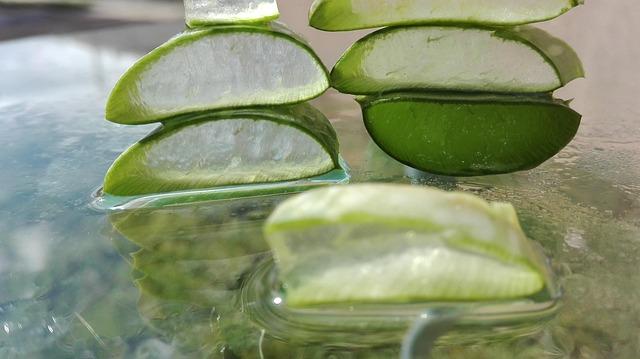
If your skincare shelf has even one green-labeled gel, chances are you’ve already met aloe vera-the cool, soothing friend everyone swears by. In kozmetika products, aloe shows up in everything from lightweight moisturizers to after-sun mists, promising calm, hydration, and a gentle touch for stressed-out skin. But with so many “aloe” claims on the label, how do you know what’s actually doing the soothing-and what’s just smart marketing?
In this friendly guide, we’ll demystify aloe vera in kozmetika: what it really does (and doesn’t), how to spot meaningful amounts on an ingredient list, and which formulas play best with your skin type-whether you’re balancing oil, nursing a sunburn, or babying a sensitive barrier. We’ll talk “Aloe Barbadensis Leaf Juice” vs. “Extract,” gels vs. creams, and why some aloe products feel sticky while others sink in like water.
By the end, you’ll know how to choose aloe-based products that actually deliver, how to pair them with your current routine (hello, niacinamide and ceramides), and a few easy tips to avoid common pitfalls. Grab your favorite face mist, and let’s make aloe in your kozmetika work smarter-not just greener.
Table of Contents
- Why Aloe Vera Shines in Kozmetika Products and When It Truly Helps
- Reading the Label Like a Pro Aloe Barbadensis Names Percentages and Real Aloe Content
- Best Aloe Picks by Skin Type Oily Dry Sensitive and Acne Prone
- How to Use Aloe Safely Patch Tests Layering With Vitamin C Acids and Retinoids
- In Retrospect
Why Aloe Vera Shines in Kozmetika Products and When It Truly Helps
Lightweight hydration meets instant calm-that’s the magic of aloe in kozmetika formulas. Its gel is rich in skin-loving polysaccharides like acemannan, which act as humectants to draw water in and cushion the skin without greasiness. It’s also naturally soothing, helping to ease the look of redness and tightness from everyday stressors. Because it layers well with other actives and feels featherlight, aloe-based toners, gels, and creams are a go-to for dehydrated, sensitive, or easily overheated skin types.
- After sun exposure: for a cooling, calming veil that takes the edge off warmth.
- Post-shave or waxing: to comfort razor bumps and reduce that prickly feel.
- When actives overdo it (retinoids, acids): to rebalance and rehydrate without clogging.
- Seasonal dryness or travel: as a refreshing layer under your regular moisturizer.
- Workout or heat flush: to quickly settle visible redness and bring back bounce.
To get the most from aloe-powered kozmetika, look for short, clean INCI lists where Aloe Barbadensis Leaf Juice sits near the top, and avoid heavy alcohol or strong fragrance if you’re reactive. Keep expectations realistic: it’s a superb soother and hydrator, not a cure-all. For best results, pair smartly and seal it in.
- Boost hydration: layer with glycerin, hyaluronic acid, or panthenol.
- Strengthen barrier: follow with ceramides, squalane, or a light occlusive to lock in water.
- Clarify gently: combine with niacinamide for balanced oil and calmer-looking pores.
- Patch test if you’re sensitive (especially to botanical extracts), and consider storing aloe gel in the fridge for an extra-cooling finish.
Reading the Label Like a Pro Aloe Barbadensis Names Percentages and Real Aloe Content
On INCI labels, the plant you love is written as Aloe Barbadensis. What comes after those words tells you the story: Leaf Juice means the inner-fillet gel, Leaf Extract is a concentrated extract in a solvent, Leaf Juice Powder is dehydrated gel later reconstituted with water, and Leaf Water/Hydrosol is a distillate with lighter aroma/actives. “Aloe vera” and “Aloe barbadensis” name the same plant, so don’t stress the wording-focus on placement. If aloe appears in the first few spots (ideally top three), you’re getting a meaningful dose; if it’s tucked near the end, it’s more for marketing than moisture.
- Aloe Barbadensis Leaf Juice – best sign of real gel content; look for it before glycerin for a high-aloe formula.
- Aloe Barbadensis Leaf Extract – potent but often used in tiny amounts; check position on the list.
- Aloe Barbadensis Leaf Juice Powder – reconstituted with water; actual aloe can be low unless stated (e.g., “200x powder”).
- Aloe Barbadensis Leaf Water/Hydrosol – aromatic water; lighter on active polysaccharides.
- “Aloe Gel” on front labels can still be mostly water + thickener; read the INCI to confirm the real star.
To gauge percentages without a number, use the 1% line trick: ingredients listed after common preservatives (e.g., phenoxyethanol, ethylhexylglycerin) or after parfum/fragrance are typically present at very low levels. Claims like “99% aloe” may describe the gel base, not the finished kozmetika, and often rely on rehydrated powder. Strong signs you’re getting the good stuff include aloe appearing before water, brands disclosing exact percentages, and seals like IASC (International Aloe Science Council). Graphics of green leaves don’t hydrate-placement and naming do.
- High up the list: Leaf Juice in the top 3 = meaningful content.
- After preservatives: likely under ~1%-fine for soothing accents, not a hero level.
- Powder + Aqua: reconstituted aloe; real amount depends on the powder’s strength (e.g., 10x, 200x).
- Look for specifics: “Aloe Barbadensis Leaf Juice (X%)” or “inner fillet, decolorized” beats vague “with aloe.”
- Texture clues: clear “aloe gels” thickened with carbomer are common; the INCI reveals how much aloe drives the formula.
Best Aloe Picks by Skin Type Oily Dry Sensitive and Acne Prone
Whether your T‑zone glows at noon or your cheeks crave cushiony moisture, Aloe Vera can flex to fit your routine. Think of it as a calming base that plays well with actives and richer textures-just choose the format that fits your complexion and climate, then let the plant power do its quiet, soothing work.
- Oily: Reach for a featherweight, alcohol‑free gel with niacinamide or zinc PCA to balance look of shine. Bonus: a silicone‑light, fast‑absorbing finish keeps makeup from sliding.
- Dry: Choose a plush cream or sleeping mask where Aloe teams up with ceramides, squalane, and shea butter. Layer over a hyaluronic acid serum to lock in a dewy cushion.
- Sensitive: Opt for a minimalist, fragrance‑free gel or toner with a short INCI list plus panthenol and centella. pH‑balanced, colorant‑free formulas help keep peace with reactive skin.
- Acne‑prone: Try a breathable gel‑cream labeled non‑comedogenic, pairing Aloe with gentle BHA (salicylic acid ≤2%) or gluconolactone (PHA) to refine the look of pores without harshness.
Make your pick work harder with smart layering and a touch of skincare common sense. Small tweaks-like texture, timing, and storage-can turn a good Aloe product into a daily staple.
- Layering made easy: Apply after cleansing and watery essences, before creams or oils. For extra comfort, “sandwich” Aloe between a humectant serum and your moisturizer.
- AM/PM uses: Morning-thin layer under SPF for refreshed, bouncy skin. Night-use a thicker coat as a 10‑minute calming mask, then pat in the rest.
- Patch test: Try on the jawline for 24 hours-especially if your formula includes acids or retinoids elsewhere in your routine.
- Smart storage: Keep cool and dark; refrigerate gels for post‑sun comfort and to maintain texture.
- Label check: If you’re reactive, skip added perfume and strong essential oils; look for Aloe high in the list alongside barrier helpers like glycerin and panthenol.
How to Use Aloe Safely Patch Tests Layering With Vitamin C Acids and Retinoids
Before slathering on that cooling gel, start with a simple safety check. Do a patch test on clean skin (inner forearm or behind the ear), then wait 24-48 hours to watch for redness, itching, or bumps. If you’re sensitive, choose formulas that are fragrance-free and avoid gels spiked with alcohol or lots of essential oils. Keep in mind: pure leaf juice is soothing, but some products mix in actives-always scan the INCI list. And if your skin barrier is cranky (tight, stinging, flaky), use aloe as a barrier-friendly hydrator first for a few days before reintroducing strong treatments.
- Patch test steps: apply a pea-size amount, let it dry, don’t wash the spot; assess at 24 and 48 hours.
- Start slow: use once daily for 3-5 days, then increase if your skin is happy.
- Watch for fillers: if “aloe” is low on the list, treat the product like a standard gel-your skin may react to the extras, not the aloe.
- Storage: keep it cool and capped; clear gels can oxidize-discard if the color or scent changes.
Layering with strong actives? Think of aloe as your soothing buffer or hydration seal. With vitamin C (L-ascorbic acid), apply C on clean, dry skin; once it settles, smooth on aloe to calm and lightly seal without heaviness. With acids (AHA/BHA/PHA), use aloe after your exfoliant to offset tightness. With retinoids, you can “sandwich” for comfort: moisturizer or a thin layer of aloe, retinoid, then aloe again. If you’re very reactive, use aloe before actives to buffer; if you want maximum potency, use it after-and don’t pile on multiple strong actives in the same session.
- Morning: cleanse → vitamin C → aloe → moisturizer → SPF 30+.
- Acid night: cleanse → acid → aloe → moisturizer. Skip retinoid that night.
- Retinoid night: cleanse → aloe (optional buffer) → retinoid → aloe or moisturizer.
- Tiny timing tip: give actives 5-10 minutes to settle before aloe if you’re chasing potency.
- Red flags: stinging that persists, increased peeling, or hot redness-reduce frequency, buffer with aloe, or pause actives.
In Retrospect
And that’s a wrap on our friendly tour of aloe vera in kozmetika! Whether you’re chasing calmer skin, a dewier glow, or a fuss-free hydrator for everyday use, aloe can be a gentle teammate in your routine. Remember: look for “Aloe Barbadensis Leaf Juice” high on the INCI list, patch test first, and let your skin be the guide. Pair it with ceramides or hyaluronic acid for extra comfort, and skip harsh alcohols or heavy fragrance if you’re sensitive.
I’d love to hear from you: What’s your favorite aloe-based product, and how do you use it? Have you tried a lightweight aloe gel under sunscreen, or mixed a few drops of oil into aloe for a quick, soothing emulsion? Share your tips and wins in the comments.
If this guide helped, pass it along to a friend who loves simple, skin-kind kozmetika. For more friendly deep dives like this-ingredients decoded, routines simplified, myths untangled-subscribe and stay in the loop. Here’s to calmer, happier skin, one soothing pump of aloe at a time.