

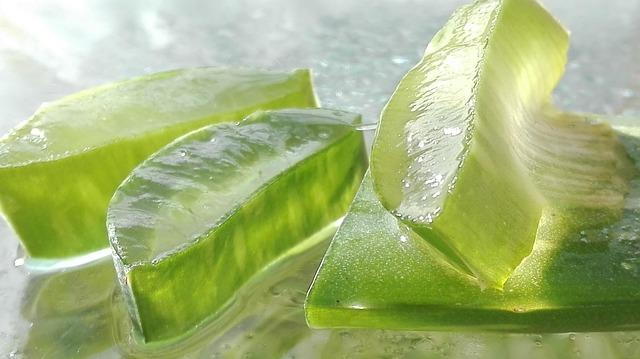
If your skin could order a drink, it would ask for aloe on the rocks. This desert plant has been a go-to beauty ally for centuries, and for good reason: aloe vera is a lightweight, soothing hydrator that fits seamlessly into almost any Kozmetika routine. Whether you’re calming post-sun redness, easing irritation after exfoliation, or giving thirsty skin a dewy boost, aloe’s blend of water-binding polysaccharides, antioxidants, and skin-loving minerals delivers refreshment without the heaviness.
Think of it as a gentle multitasker. Aloe can help balance oil, soften rough patches, and comfort sensitive or reactive skin-all while playing nicely with your other favorites, from vitamin C to retinoids. It layers well, absorbs quickly, and won’t leave a sticky film, making it a smart pick for humid days, minimalist routines, and on-the-go touch-ups.
In this guide, we’ll explore why aloe works, who benefits most, and how to weave it into your daily lineup-toner to moisturizer, masks to mists. We’ll also share tips for reading labels (because not all “aloe” products are created equal) and simple ways to get the most out of this green wonder. Ready to give your Kozmetika routine a cool, calming upgrade? Let’s dive in.
Table of Contents
- Aloe Vera 101 for Your Kozmetika Routine: Hydration, Redness Relief, and Barrier Support
- Choosing Aloe Products That Work: Seek high aloe content with Aloe Barbadensis Leaf Juice among the first ingredients and avoid strong fragrance or drying alcohols
- Layering Like a Pro: Pair with hyaluronic acid, buffer retinoid nights, and soothe after exfoliation without pilling
- Safe Use and Real Results: Patch testing tips, ideal skin types, how often to apply, and when to skip aloe
- To Wrap It Up
Aloe Vera 101 for Your Kozmetika Routine: Hydration, Redness Relief, and Barrier Support
Hydration that hugs your skin: Aloe vera is a featherlight humectant packed with polysaccharides that attract and hold water, leaving skin bouncy without the slick. Work it into your Kozmetika routine right after cleansing-on slightly damp skin-to lock in that fresh rinse feeling. It layers beautifully with hyaluronic acid, plays nice under makeup, and won’t smother oily or combo complexions. For dry or dehydrated skin, sandwich it under a ceramide-rich moisturizer to seal in the dew. Sensitive? Opt for a minimalist gel with no added fragrance or colorants and always patch test.
- How to layer: Cleanse → mist/toner → aloe gel/serum → moisturizer → SPF (AM).
- Pair with: Hyaluronic acid for extra glide, panthenol and squalane for cushiony comfort.
- Texture trick: Mix a pea-size of aloe with your moisturizer in palm for a lighter, summertime cream.
- Cooling tip: Keep it in the fridge for instant de-puffing and a refreshed feel.
Redness relief and resilient barriers: Aloe’s soothing compounds (like acemannan) help take down the look of post-sun warmth, razor rash, or after-exfoliation flush, making it a reliable “calm-down” step. It also supports a happy moisture barrier by keeping water where it belongs-inside-so skin feels supple, not tight. To fortify even more, pair aloe with ceramides and niacinamide a few times a week. If your skin is reactive, avoid heavy essential oils and high alcohol content-let aloe’s simplicity shine.
- Do: Patch test on the jawline; choose 95-100% aloe formulas with short ingredient lists.
- Do: Follow with a barrier cream on windy, cold, or air-conditioned days to prevent transepidermal water loss.
- Don’t: Layer immediately after strong acids or retinoids on the same night-alternate to minimize irritation.
- Don’t: Expect it to replace SPF; use it to soothe, then shield with broad-spectrum sunscreen daily.
Choosing Aloe Products That Work: Seek high aloe content with Aloe Barbadensis Leaf Juice among the first ingredients and avoid strong fragrance or drying alcohols
Decoding the INCI label is your superpower here. Aim for formulas where Aloe Barbadensis Leaf Juice appears within the first few ingredients-ideally first. Short, clean INCI lists are your friend, featuring supportive hydrators like glycerin, panthenol, allantoin, and hyaluronic acid. Thickeners such as carbomer or xanthan gum are totally fine, and gentle preservatives (think potassium sorbate, sodium benzoate, or phenoxyethanol) keep things stable. If you see “Aloe Barbadensis Leaf Juice Powder (reconstituted),” that can still be high quality when done correctly. Prefer fragrance-free or low-allergen scents, and pick opaque, pump-style packaging to protect the plant’s good-for-skin polysaccharides.
- Green flags: Aloe listed in the top 3 ingredients; simple formulas with few fillers.
- Skin-loving add-ons: glycerin, panthenol, allantoin, hyaluronic acid.
- Gentle preservatives; no neon dyes; pH in the skin-friendly range.
- Clear claims (e.g., “95% aloe gel”) rather than vague “100% gel” marketing.
- Opaque or UV-safe packaging; recent manufacture date.
What to sidestep? Strong perfume and drying alcohols that cancel out aloe’s soothing vibe. On labels, that means avoiding Fragrance/Parfum high on the list, heavy essential oils (especially citrus, peppermint, eucalyptus, or lavender for sensitive skin), and volatile alcohols like Alcohol Denat., SD Alcohol 40-B, Ethanol, and Isopropyl Alcohol near the top. Skip unnecessary colorants and “tingly” additives (menthol, camphor) if your skin gets reactive. For daily face care, stick to gentle gels or light lotions; reserve after-sun anesthetics or astringents for specific needs.
- Red flags: Strong fragrance, essential oils in the first half of the list, or “parfum” without disclosure.
- Drying alcohols listed early; witch hazel with added alcohol.
- Artificial colors (FD&C dyes), glitter, or mentholated “cooling” agents.
- Overpromises like “pure 100% aloe” in water-based formulas-real aloe needs stabilizers.
- Sticky residues and pilling: often a sign of too much thickener versus active aloe.
Layering Like a Pro: Pair with hyaluronic acid, buffer retinoid nights, and soothe after exfoliation without pilling
Aloe vera gel plays beautifully with water-loving actives. Layer it after hyaluronic acid on slightly damp skin to enhance slip, draw in moisture, and leave a bouncy finish that won’t interfere with makeup. Think “watery to creamy”: mist or pat water in, apply HA, then a sheer veil of aloe to trap that hydration before sealing with your cream. This flexible step adds comfort without heaviness, so your morning routine stays light, glassy, and non‑pilling.
- On damp skin: mist → hyaluronic acid serum → thin layer of aloe vera → moisturizer → SPF.
- Choose airy textures (gels, fluids) under makeup; use richer creams at night.
- Press products in rather than rubbing to maintain smooth layers.
For active nights, use aloe to buffer intensity without blunting results. After cleansing, press on a whisper-thin layer of aloe, let it settle, then apply your retinoid; finish with your barrier cream. Post-exfoliation (AHA/BHA or enzyme), let skin dry and calm, then smooth on cool aloe to quiet the tingle before you moisturize. To keep everything silky, avoid stacking too many silicones, keep amounts pea‑sized, and give each step a beat to absorb-your skin gets comfort, your actives stay potent, and your layers stay smooth.
- Retinoid routine: cleanse → micro-layer aloe → retinoid → cream.
- After exfoliating: rinse if directed → pat dry → aloe to soothe → moisturizer.
- Anti‑pilling tips: use less product, wait 60-90 seconds between layers, match water‑based under oil‑based, and test combos before makeup.
Safe Use and Real Results: Patch testing tips, ideal skin types, how often to apply, and when to skip aloe
Aloe can be a skin saver when you introduce it thoughtfully. Start with a mini trial: apply a rice‑grain amount on clean skin inside the elbow or behind the ear, let it dry, and watch for 24-48 hours. No redness, itching, or bumps? You’re clear to proceed. Formulas with a short INCI list and no perfume are the gentlest. While almost everyone can enjoy aloe’s feather‑light hydration and calming touch, it’s especially helpful for skin that runs hot, tight, or shiny by midday-just keep an eye on extra additives that might not love you back.
- Patch-test like a pro: Apply a tiny dab to a discreet spot; repeat after 24 hours; discontinue if you see persistent redness, stinging, or hives.
- Pick the right gel: Look for “Aloe Barbadensis Leaf Juice” high on the list; avoid strong fragrance, colorants, or high alcohol if you’re sensitive.
- Great matches: Oily/combination, dehydrated, post-sun, post-shave, and easily flushed skin (choose fragrance-free).
- May need tweaks: Very dry or eczema-prone skins might need an occlusive cream on top; fungal-acne-prone types should avoid aloe gels blended with heavy oils/esters.
Consistency beats quantity for visible results. Use aloe as a soothing layer after cleansing and toning, then seal with your usual moisturizer. It also shines as a quick calming mask or after-sun soother. If your routine includes “spicy” actives, stagger application to keep your barrier happy. And yes-sometimes the best choice is to skip it entirely, especially when your skin is vulnerable or you’re reacting.
- How often: Daily as a light hydrator or serum step; 2-3× weekly as a 10-15 minute calming mask; post-sun or post-workout as needed. Store in the fridge for extra de-puffing.
- Layering tip: Apply after watery toners/essences and before creams/oils; pair with ceramides or squalane to lock in the calm.
- When to skip/stop: Known aloe or latex sensitivity; open, weeping eczema or broken skin; right after ablative procedures (laser, deep peels, microneedling) unless your derm says otherwise; if stinging lasts >60 seconds; if the formula is heavily fragranced or high in drying alcohol and you have rosacea/sensitivity.
- Actives caution: Introducing retinoids, strong vitamin C, or high AHA/BHA? Patch test combos first and alternate nights until your skin says “all good.”
To Wrap It Up
And there you have it-aloe vera is the easygoing multitasker your Kozmetika routine didn’t know it needed. From quenching thirsty skin and calming redness to supporting a healthy barrier and adding that fresh, dewy look, it slips into almost any step without a fuss.
Start simple: swap in an aloe-infused toner, stash a pure gel in the fridge for post-sun soothing, or mix a pea-size amount into your moisturizer on reactive days. As always, patch test first-especially if you’re sensitive or latex-allergic-and keep an eye on labels to avoid heavy fragrance or drying alcohols.
Tried-and-true aloe favorites of your own? Drop them in the comments-I love hearing what works for you. If you found this helpful, stick around for more easy upgrades to your Kozmetika routine. Until next time, stay calm, hydrated, and a little bit glowy. Aloe you very much!