

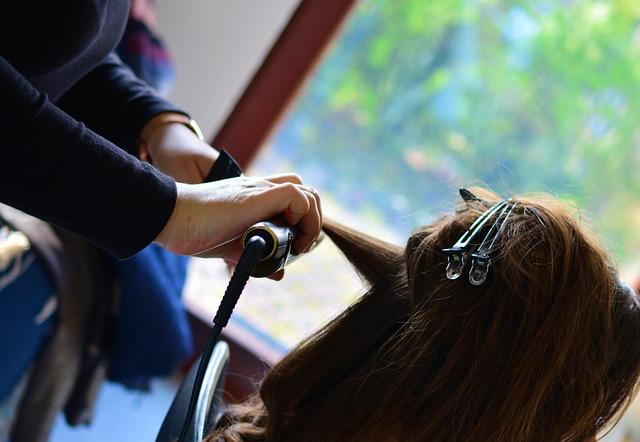
If your hair feels limp one day, brittle the next, and frizz seems to have moved in rent-free, protein treatments might be the reset button your routine has been missing. In the world of Kozmetika Haircare, protein isn’t just a buzzword-it’s a building block that helps reinforce the hair’s natural structure, smooth rough cuticles, and bring back that bouncy, glossy look you love.
Think of protein as tiny patchwork for damaged strands. Heat styling, coloring, and everyday wear can create weak spots along the hair shaft; targeted proteins step in to fill those gaps, adding strength and resilience without weighing hair down when used correctly. The magic is in balance: knowing when your hair needs protein, when it needs moisture, and how to bring the two together for healthy, touchable results.
In this guide, we’ll break down:
– What protein treatments actually do (in simple, no-jargon terms)
– Signs your hair is craving protein vs. moisture
– How to work protein into your Kozmetika Haircare routine
– Pro tips to avoid stiffness or overload and keep your shine intact
Ready to give your strands a little armor and a lot of love? Let’s dive into how protein treatments can help your hair look and feel stronger-without sacrificing softness.
Table of Contents
- Understanding Protein in Kozmetika Haircare The science of bond support and cuticle repair for smoother stronger strands
- Do You Need Protein or Moisture Use a quick strand test and elasticity check to guide your next treatment
- Pick the Best Protein for Your Hair Type Hydrolyzed keratin for coarse or damaged hair silk or wheat protein for fine or low density hair
- Apply It Right Begin with a weekly treatment then shift to biweekly rotate with deep moisture masks and finish with a light oil or leave in
- The Conclusion
Understanding Protein in Kozmetika Haircare The science of bond support and cuticle repair for smoother stronger strands
Protein treatments fortify damaged strands by attaching tiny, hydrolyzed proteins and amino acids to weak points along the hair shaft. These micro-sized building blocks slip beneath lifted cuticles, support internal bonds in the cortex, and smooth over rough patches for a sleeker surface. The result is a strand that feels stronger and looks glossier because the cuticle lies flatter and light reflects more evenly. In Kozmetika Haircare formulas, look for hydrolyzed keratin, wheat/soy proteins, silk amino acids, and targeted bond allies like arginine and cysteine-they help reinforce hydrogen and ionic interactions while film-formers and conditioning polymers reduce friction during styling.
- Bond support: Temporarily strengthens internal structures for improved resilience and reduced breakage.
- Cuticle repair: Fills chips and seals lifted scales, lowering porosity and frizz.
- Elasticity boost: Helps hair spring back instead of snapping under stress.
- Heat and color care: Creates a protective buffer that minimizes mechanical and thermal damage.
To weave protein into your routine without stiffness, balance it with moisture. Fine or limp hair often prefers lighter, rinse-out options; coarser, highly processed hair can handle richer masks spaced out over weeks. Apply to cleansed, towel-dried hair, comb through for even coverage, and follow with a pH-friendly conditioner to seal the finish. Watch your hair’s feedback-too much protein can feel rigid or straw-like, while the right dose brings bounce, shine, and longer-lasting styles.
- Good candidates: Color-treated, highlighted, heat-styled, high-porosity, or frequently brushed/extension-wearers.
- Signs you need it: Mushy when wet, stretchy with delayed snap-back, chronic frizz at mid-lengths/ends.
- Signs of overload: Rigidity, tangling, dullness-pause protein and add hydration.
- Smart cadence: Light leave-ins weekly; masks every 2-4 weeks; always alternate with deep moisture.
Do You Need Protein or Moisture Use a quick strand test and elasticity check to guide your next treatment
Run a quick at-home check: on freshly washed, wet hair, isolate a single strand and stretch it gently. If it stretches a lot and turns gummy before snapping, your hair is likely craving strengthening care. If it snaps quickly with little stretch, hydration is the priority. Also feel a dry strand between your fingers-overly soft and limp can mean too much moisture (or not enough structure), while stiff and brittle points to dryness or protein overload.
- Needs Protein: Strand is mushy/over-stretchy when wet; curl pattern looks collapsed; breakage happens mostly in the shower.
- Needs Moisture: Strand snaps fast; hair feels rough, tangles easily, has frizz that won’t smooth even after light oil.
- Balanced: Strand stretches a little, then returns; hair feels springy with a healthy sheen.
Match your next treatment to the results. For protein support, reach for hydrolyzed keratin, collagen, wheat, or rice protein masks from Kozmetika ranges; apply mid-lengths to ends, leave on per directions, then follow with a hydrating conditioner to keep strands flexible. For moisture, choose masks with aloe, glycerin, panthenol, fatty alcohols, and ceramides, and add gentle heat for deeper penetration. Keep a light hand: fine or low-porosity hair may want protein every 2-4 weeks, while high-porosity or color-treated hair can benefit more often-always reassess with the same strand test and elasticity feel after each wash to stay in that sweet, bouncy balance.
Pick the Best Protein for Your Hair Type Hydrolyzed keratin for coarse or damaged hair silk or wheat protein for fine or low density hair
Coarse, high-porosity, or visibly damaged strands thrive on hydrolyzed keratin. These tiny protein fragments slip into rough cuticles and weak spots, restoring structure, improving elasticity, and boosting resistance to breakage. Expect stronger, smoother hair with less frizz and snap-especially after lightening, heat styling, or chemical processes.
- Shop smart: Scan the INCI for “Hydrolyzed Keratin” in the first half of the list.
- Format matters: Use rinse-out masks or concentrated treatments for deep reinforcement.
- Balance with moisture: Pair with aloe, glycerin, panthenol, or ceramides to avoid brittleness.
- Frequency: Every 2-4 weeks; if hair feels stiff or tangly, clarify and follow with a rich, protein-free conditioner.
- Heat assist: Gentle heat (cap or warm towel) for 10-15 minutes can enhance uptake.
- Best moments: Post-color, after breakage, or when takedown reveals weakness.
Fine or low-density hair benefits from lighter proteins like silk amino acids or hydrolyzed wheat protein, which form a breathable, weightless film for soft volume, slip, and shine-without flattening your style. You’ll get touchable fullness and better style memory, minus the heaviness.
- Choose airy formulas: Mists, leave-ins, and foams distribute evenly and feel undetectable.
- Label cues: Look for “Hydrolyzed Silk,” “Silk Amino Acids,” “Hydrolyzed Wheat Protein,” or “Phytokeratin.”
- Micro-dose: Use weekly or mix a few drops of protein serum into conditioner to stay featherlight.
- Keep flex: Pair with humectants and light oils (squalane, grapeseed) for a bouncy finish.
- For curls/waves: Protein-enriched stylers enhance clumping and reduce halo frizz.
- Signs to pause: If strands feel rigid, rotate in protein-free hydration until softness returns.
Apply It Right Begin with a weekly treatment then shift to biweekly rotate with deep moisture masks and finish with a light oil or leave in
Think of protein care as a training plan for stronger strands: start with a consistent rhythm, then maintain. Begin with a focused phase where you treat once a week to rebuild the cuticle’s scaffolding, especially after coloring, heat styling, or protective styles. As your hair’s elasticity and snap-back improve, shift to every other week to avoid stiffness. Always cleanse first so the ingredients can bind, work in sections from mid-lengths to ends, and follow the product’s timing-overstaying can lead to brittleness, while rinsing early limits results.
- Kickoff phase: 1 treatment per week for 3-4 weeks or until breakage slows.
- Maintenance: Move to biweekly; fine/low-porosity hair may need less, thick/high-porosity may need a touch more.
- Application keys: Detangle gently, apply evenly, use a shower cap or gentle heat if the formula allows, then cool-rinse.
- Don’t mix everything at once: Alternate with a rich moisture mask on your non-protein week to keep flexibility.
- Spot treat: Focus on fragile edges and ends instead of overloading roots.
- Watch the signs: Hair that feels hard or squeaky may need more moisture; hair that stretches and snaps needs protein.
Seal the win by balancing strength with slip. After rinsing your protein, follow on your next wash with a deep moisture mask to restore softness, then lock in with a light oil or leave‑in for shine and frizz control. Keep stylers minimal on treatment days so the active ingredients do the heavy lifting. A simple finisher-like a few drops of oil on damp hair or a weightless leave‑in-helps smooth the cuticle without muting volume. With this rotate-and-refine approach, you’ll maintain that sweet spot where hair feels resilient, touchably soft, and easy to style week after week.
The Conclusion
Wrapping up: protein treatments are like scaffolding for your strands-filling weak spots, boosting elasticity, and restoring shine so your Kozmetika haircare routine can really perform. When you balance protein with moisture, you’ll see fewer split ends, better curl retention, and styles that last longer.
Quick takeaways:
– Start with a strand test, then treat every 2-6 weeks based on how your hair feels.
– Look for hydrolyzed proteins (keratin, silk, wheat, collagen) for better penetration.
– Always follow with hydration to avoid stiffness or “protein overload.”
– If hair feels brittle after treatment, scale back and add more moisture.
Ready to try it? Review your current products, pick a gentle protein mask to start, and track how your hair responds for two wash cycles. Have questions or a favorite Kozmetika-friendly protein pick? Drop it in the comments-I’d love to hear what’s working for you.