

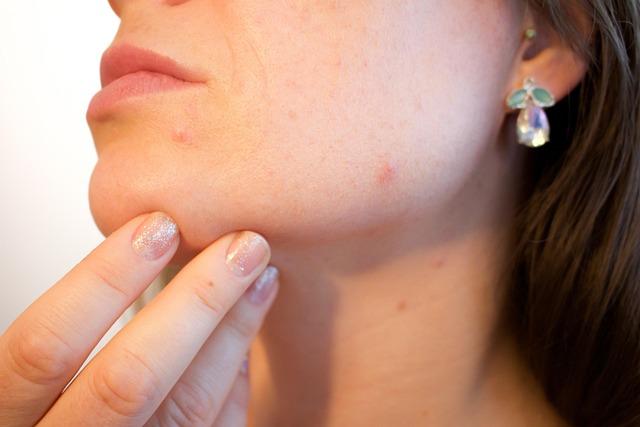
If breakouts have been gatecrashing your glow, you’re not alone-and you don’t have to wage war with harsh, stripping treatments to see results. Natural kozmetika (think plant- and mineral-powered skincare) can help calm inflammation, balance oil, and support your skin barrier so it can do what it does best: heal.
In this clear-skin guide, we’ll cut through the noise and show you how to build an acne-friendly routine with gentle, proven naturals-no fearmongering, no miracle-cure promises. We’ll explore what “natural” really means, which ingredients are worth your shelf space, and how to pair them for your skin type without inviting irritation.
Here’s what you can expect:
– The acne basics: why breakouts happen and how to spot your triggers
– Star natural ingredients (like willow bark, tea tree, green tea, aloe, clays, sulfur, and honey) and what they actually do
– Simple routines for oily, combination, and sensitive skin
– How to read labels, patch test, and avoid common pitfalls
– When to DIY, when to buy, and when to see a pro
Ready to swap guesswork for a calmer, clearer plan? Let’s get your skin back to happy-gently.
Table of Contents
- Why Acne Happens and How Natural Kozmetika Supports Your Skin Barrier
- Science Backed Ingredients to Seek Tea Tree Oil Green Tea EGCG Willow Bark Salicin Niacinamide Zinc PCA and Aloe
- Morning and Evening Routine for Clear Skin Cleanse Treat Moisturize and Protect with Mineral SPF
- What to Skip and Smart Swaps Fragrance Free Formulas Non Comedogenic Oils Patch Testing and When to See a Derm
- In Conclusion
Why Acne Happens and How Natural Kozmetika Supports Your Skin Barrier
Breakouts rarely appear out of nowhere-they’re usually the result of a stressed skin ecosystem. When your skin barrier (the “brick-and-mortar” layer) is weakened, pores get stickier and excess sebum mixes with dead skin cells, forming congestion. Hormonal shifts can crank up oil flow, while an imbalanced microbiome and everyday friction invite visible inflammation. The combo shows up as shine, tightness, and tender bumps that seem to linger longer than they should.
- Hormones (puberty, cycle changes, stress) that increase oil production
- Over-cleansing and harsh scrubs that strip protective lipids
- Occlusive layers from sweat, tight gear, or heavy makeup
- Fragrance and drying alcohols that irritate sensitive skin
- Lifestyle factors like high-glycemic meals and poor sleep (for some)
Plant-powered care helps restore harmony by supporting the barrier instead of battling it. Choose gentle, pH-balanced textures that replenish lipids, soothe, and keep pores clear without the “squeaky clean” strip. Look for featherweight oils and calming extracts that nurture resilience-so your skin can self-regulate oil and stay smooth, hydrated, and clear-looking.
- Lipid support: linoleic-rich oils (hemp seed, grape seed, rosehip), biomimetic jojoba, and olive-derived squalane
- Soothers: aloe vera, green tea, calendula, chamomile, and colloidal oatmeal/beta-glucan
- Gentle decongestors: white willow bark extract; mineral clays like kaolin or bentonite for non-drying purifying
- Microbiome-friendly: prebiotics (inulin, alpha-glucan oligosaccharide) to keep balance
- Smart formulas: fragrance-free, non-comedogenic, pH ~5-5.5; patch test new products and pair with daily mineral SPF
Science Backed Ingredients to Seek Tea Tree Oil Green Tea EGCG Willow Bark Salicin Niacinamide Zinc PCA and Aloe
When breakouts pop up, smart botanicals can quietly decongest, calm, and rebalance without stripping your skin. Think targeted antimicrobials, oil modulation, gentle exfoliation, barrier support, and soothing hydration working together for visible clarity.
- Tea Tree Oil (Melaleuca alternifolia): Natural antimicrobial that targets C. acnes; best as a 5% spot treatment or ≤1% in leave-on formulas. Always dilute and patch test to limit sensitivity.
- Green Tea / EGCG (Camellia sinensis): EGCG helps reduce sebum and redness while offering antioxidant defense; look for extracts standardized for EGCG for consistent results.
- Willow Bark / Salicin (Salix alba): A gentle, plant-derived beta-hydroxy relative that promotes pore decongestion and smoother texture with less sting than traditional acids.
- Niacinamide (2-5%): Balances oil, fortifies the barrier, and softens post-blemish marks by supporting ceramide production and calming inflammation.
- Zinc PCA (0.1-1%): Helps curb excess oil and supports a clearer microbiome; pairs beautifully with niacinamide for shine control.
- Aloe (Aloe barbadensis): Lightweight humectant with soothing polysaccharides that quell irritation and encourage faster recovery.
Shopping and layering made simple: choose fragrance-light formulas that combine these actives thoughtfully, then build a routine that keeps pores clear, calms redness, and preserves your moisture barrier.
- Label cues: Melaleuca alternifolia (tea tree), Camellia sinensis (green tea/EGCG), Salix alba (willow), Niacinamide, Zinc PCA, Aloe barbadensis leaf juice.
- AM idea: Green tea + niacinamide + zinc PCA under SPF for all-day sebum control and redness relief.
- PM idea: Willow bark 3-4 nights/week; spot treat with diluted tea tree on active blemishes; seal with an aloe-rich gel or lotion.
- Skin type tips: Oily-prioritize zinc PCA and EGCG. Dry-acne-prone-lean on niacinamide + aloe. Sensitive-start with willow bark over stronger BHAs.
- Best practices: Patch test 24-48 hours; introduce one new product at a time; avoid stacking tea tree with strong retinoids or benzoyl peroxide on the same area.
Morning and Evening Routine for Clear Skin Cleanse Treat Moisturize and Protect with Mineral SPF
Wake up your complexion with a calm, barrier-friendly ritual that keeps breakouts at bay while respecting sensitive, acne-prone skin. Keep layers light, let each step absorb, and choose plant-powered, non-comedogenic formulas.
- Cleanse: Use a gentle, sulfate-free gel or cream cleanser with soothing botanicals (aloe, green tea, colloidal oatmeal). Lukewarm water, 60-second cleanse, then pat dry-no rubbing.
- Treat: Apply targeted actives such as niacinamide (4-5%), azelaic acid (10%), or a salicylic acid (0.5-2%) serum. If skin is tight, layer a hydrating serum (panthenol, hyaluronic acid) first.
- Moisturize: Lock in water with a lightweight, non-greasy gel-cream featuring ceramides, squalane, or rice/centella extracts to support the barrier without clogging pores.
- Protect: Finish with a mineral SPF 30-50 (zinc oxide and/or titanium dioxide). Warm it between fingers for easier spread, use the two-finger rule, and reapply if outdoors; a tinted formula helps offset white cast.
At night, let your skin reset. Focus on a thorough cleanse, smart treatment rotation, and comforting moisture to repair while you sleep-no sunscreen needed after dark.
- Cleanse: If you wore SPF or makeup, double-cleanse: a non-comedogenic oil/balm (jojoba esters, hemp seed) followed by your gentle gel. Rinse well and pat dry.
- Treat: Rotate actives based on tolerance-azelaic acid for tone/texture, willow bark (natural BHA) for congestion, or bakuchiol as a botanical retinoid alternative. Use benzoyl peroxide (2.5%) only as a thin layer or spot treatment. Give skin “rest nights” to avoid over-exfoliation.
- Moisturize: Choose a barrier-repair cream with ceramides, cholesterol, and fatty acids; calm with centella or licorice root. For dry zones, press in 1-2 drops of acne-friendly oils (jojoba, rosehip)-avoid heavy, pore-clogging oils.
- Extra care: 1-2x weekly, use a gentle enzyme or PHA polish and a sulfur or clay mask on the T-zone only. Keep formulas fragrance-free, alcohol-free (denat.), and non-comedogenic to minimize irritation.
What to Skip and Smart Swaps Fragrance Free Formulas Non Comedogenic Oils Patch Testing and When to See a Derm
Clearer skin often starts with subtraction. Skip common irritants and pore-cloggers, then make smart swaps that calm, protect, and rebalance. Choose fragrance-free (not just “unscented”) to avoid hidden parfum or essential oil allergens, and lean on soothing, barrier-friendly actives. When moisturizing, reach for non‑comedogenic oils that mimic skin’s sebum and support a healthy microbiome.
- Skip: parfum/fragrance, essential oils in leave-ons (tea tree, citrus, lavender), menthol/peppermint, drying alcohols (Alcohol Denat.), harsh scrubs, daily clay masks, and heavier occlusives like coconut oil, cocoa butter, or wheat germ oil on acne-prone areas.
- Swap: pH-balanced gel cleansers; fragrance-free, essential‑oil‑free serums; gentle chemical exfoliants like salicylic acid or willow bark; skin-soothers such as niacinamide, green tea, aloe, panthenol, zinc PCA; clarifying azelaic acid or sulfur; lightweight mineral SPF.
- Face-friendly oils: squalane, jojoba, hemp seed, grapeseed, high‑linoleic sunflower, rosehip, and black cumin seed (light, fast-absorbing, and less likely to congest).
Protect your progress with patch testing and know when to call in expert help. A slow, methodical rollout prevents mystery breakouts and lets you pinpoint exactly what loves your skin-and what doesn’t.
- How to patch test: Apply a pea-size amount behind the ear or on the inner forearm once daily for 3 days; if clear, try a small facial area for another 3 days. Introduce only one new product per week. Stop if you see hives, intense burning, swelling, or pus.
- See a derm if: you have painful cysts/nodules, scarring or dark spots developing, sudden widespread breakouts, acne that won’t budge after 8-12 weeks of consistent care, signs of infection, or concerns during pregnancy/breastfeeding. They can tailor a plan and combine natural care with targeted prescriptions when needed.
In Conclusion
If there’s one thing to take with you, it’s this: clear skin loves consistency, kindness, and patience. Natural kozmetika can be a wonderful ally-gentle, minimal, and supportive-especially when you introduce products slowly and listen to what your skin is telling you.
Your next steps:
– Keep it simple: a mild cleanse, lightweight moisture, daily SPF, plus one natural treatment at a time.
– Patch test everything and give it 6-8 weeks before you judge results.
– Track changes in a skin diary so you can spot what truly works.
– If you’re dealing with painful cysts, frequent flare-ups, or scarring, partner with a dermatologist.
I’m cheering you on as you build a routine that feels good and works even better. Have a favorite natural ingredient or a tip that helped you? Share it in the comments-your story could be the encouragement someone else needs today.