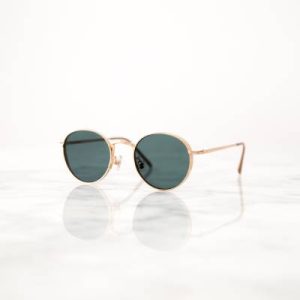


In recent years, the concept of lifestyle goods has evolved beyond mere trends; these items encapsulate a way of living that prioritizes self-expression, quality, and sustainability. The bridge connecting fashion and home decor reflects a larger cultural appreciation for personalized home environments. Whether it’s a statement piece of clothing or a unique decor item, lifestyle goods resonate deeply within consumers’ lives.
The Intersection of Fashion and Home Decor
Historically, fashion and home decor operated in separate realms. However, contemporary trends have blurred these boundaries significantly. Brands such as Rug Company and Pottery Barn have seamlessly incorporated textiles and patterns synonymous with the fashion industry into their home goods range. The phenomenon is partly driven by younger generations’ desires to curate personal aesthetics that influence both their wardrobes and their living spaces.
Influence of Social Media
Platforms such as Instagram and Pinterest have transformed how consumers discover and interact with lifestyle goods. Visual storytelling via social media allows brands to showcase not just products, but complete lifestyle narratives. A bohemian rug might be promoted alongside a similarly styled outerwear item, allowing consumers to visualize their living spaces and wardrobes as cohesive experiences.
The Role of Influencers
Influencers also play a crucial role in this crossover. Many social media personalities have cultivated careers around both fashion and home decor, blurring the lines further. Their followers are introduced to lifestyle goods through curated content that merges style with functionality, encouraging audiences to adopt trends that extend beyond their closets.
Sustainability and Ethical Consumption
As awareness of environmental issues grows, consumers increasingly demand that lifestyle goods not only reflect their aesthetic preferences but also align with their values. Fashion and home decor brands responding to this shift include Reformation and West Elm, which prioritize sustainable sourcing and ethical manufacturing practices. These companies highlight transparency in their production processes, allowing consumers to make informed choices.
The Rise of Upcycling and Vintage Goods
Another facet of this sustainable movement is upcycling and the rise of vintage and thrift items, which have gained a dedicated following through online marketplaces like Etsy and Facebook Marketplace. This not only presents an eco-friendly choice but also emphasizes individuality; each piece has its own story and contributes to a unique lifestyle.
Customization and Personalization
The modern consumer’s desire for personalization has penetrated the lifestyle goods sphere. From bespoke fashion pieces to custom home decor, consumers are no longer satisfied with off-the-rack solutions. Brands are leveraging this trend by offering customization options, enhancing the emotional connection consumers feel toward their purchases.
Companies like Casper, known for their mattresses, allow customers to build their own bedding collections that reflect their personal style while also merging comfort with aesthetics. In the fashion world, brands like Indochino have mastered made-to-measure clothing, presenting a similar customization-centric approach.
The Future of Lifestyle Goods
As we move forward, the synergy between fashion and home decor will likely deepen. The ‘lifestyle’ approach emphasizes a holistic way of living, where the items in our lives—be it clothing or decor—interact and influence each other. This interconnectedness is shaping marketing strategies and product development across the board.
Brands that can successfully harmonize fashion’s innovative designs with home decor’s functional aspects will likely thrive. Collaborative collections, such as the collaboration between clothing brand H&M and home designer Zara Home, exemplify this approach. Such partnerships encourage consumers to embrace a lifestyle that reflects their personal style in every arena.
The Digital Marketplace
The rise of e-commerce has also expanded access to lifestyle goods. Platforms like Shopify enable small businesses to reach a global audience, allowing them to share unique, curated products reflecting the rich overlap between fashion and home decor. This digital transformation supports local artisans and small brands, democratizing style and enabling an influx of creative voices.
Conclusion
The journey from fashion to home decor is more than a trend; it’s a reflection of a cultural shift. As we continue to explore lifestyle goods, the connections we forge between our clothing choices and home environments will only grow stronger. This deep dive illustrates the vast potential for innovation and personalization in this vibrant market, carving out a future where what we wear and how we live harmoniously exist together.
Related Products
-
Sale!
Product 2025-10-01
Cosmetic Products€14,90Original price was: €24,28.€18,18Current price is: €18,18.
€18,18 incl. VAT -
Top Cosmeric Product 2024 | Best Skincare & Beauty Solutions
Body Care€10,00€12,20
€12,20 incl. VAT -
Sale!
Soluta.
Accessories€200,00Original price was: €244,00.€244,00Current price is: €244,00.
€244,00 incl. VAT