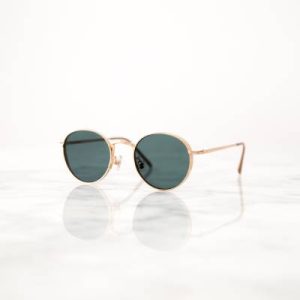


As the fashion industry continues to grapple with its enormous environmental footprint, a new wave of conscious consumers and designers is emerging, eager to redefine style through sustainability. “Conscious fashion” is more than just a trend; it represents a fundamental shift in how we perceive clothing, consumption, and their impact on the planet.
The Environmental Toll of Fast Fashion
The rise of fast fashion has fundamentally changed the fashion landscape, promising cheap, trendy clothing at an unprecedented rate. However, this model comes at a cost—an estimated 92 million tons of textile waste is generated annually, with much ending up in landfills. Furthermore, the production of these garments contributes significantly to water pollution, with dyeing processes alone responsible for contaminating water bodies with toxic chemicals.
Additionally, the industry is a major contributor to greenhouse gas emissions. According to the United Nations, the fashion sector alone is responsible for about 10% of global carbon emissions—more than all international flights and maritime shipping combined. In light of these alarming statistics, the time for change is not only necessary but urgent.
The Birth of Conscious Fashion
Conscious fashion advocates for a more ethical, ecological, and honest approach to clothing. It emphasizes the use of sustainable materials, fair labor practices, and eco-friendly production processes. Designers like Stella McCartney and brands such as Patagonia have been at the forefront of this movement, pioneering practices that champion environmentally friendly and socially responsible methods.
Key elements of conscious fashion include:
- Sustainable materials: These include organic cotton, linen, and regenerated fabrics like Tencel and Econyl, which minimize water usage and chemical processes.
- Ethical labor practices: Supporting brands that ensure fair wages and safe working conditions for all workers involved in the production process.
- Transparency: Brands that openly communicate their production processes, sourcing, and labor practices build trust with their consumers.
- Timeless design: Focusing on quality and durability rather than fleeting trends reduces the need for constant purchasing.
The Consumer Shift: From Fast to Slow Fashion
Consumers are increasingly recognizing their role in the environmental crisis. According to a study by McKinsey, 67% of consumers consider environmental sustainability when making a fashion purchase. Social media has fueled this shift; platforms like Instagram and TikTok abound with influencers promoting thrift shopping, upcycling, and swapping strategies that extend the lifecycle of clothing.
Thrifting has gained an enthusiastic following, with apps like Depop and Poshmark facilitating the resale of second-hand apparel. With the rise of these platforms, consumers are not only reducing waste but are also discovering unique, one-of-a-kind pieces that stand apart from mass-produced fashion.
The Role of Technology in Sustainable Fashion
The integration of technology and innovative practices is also crucial in the pursuit of sustainability. Brands are exploring cutting-edge developments such as 3D printing, which can reduce waste by producing items layer by layer. Moreover, artificial intelligence (AI) helps in forecasting trends, thus minimizing overproduction by ensuring that supply aligns closely with demand.
Additionally, blockchain technology enhances transparency in the supply chain. It allows consumers to trace the origins of their clothing, ensuring that ethical practices are upheld from raw material sourcing to the final product.
This Is Just the Beginning
While significant strides have indeed been made, the conscious fashion movement is just beginning to gain momentum. In September 2020, the Fashion Pact—a global coalition of companies committed to sustainability—was launched, bringing together some of the world’s largest fashion retailers and brands. The coalition aims to address pressing issues such as climate change, biodiversity loss, and ocean health, showcasing a collective vision for a sustainable future in fashion.
However, the journey toward a more sustainable fashion industry requires ongoing commitment from both consumers and brands alike. Advocating for legislation that holds brands accountable for their environmental and social impacts is essential. As consumers, choosing to support brands that prioritize ethical practices can create meaningful change.
Conclusion
Conscious fashion is not a fleeting moment but a necessary evolution toward a more sustainable future. As awareness grows and more individuals recognize the power of informed choices, the industry has no option but to adapt. By embracing sustainable style, we can cultivate a fashion landscape that respects both people and the planet, ensuring that future generations can enjoy not only style but also a thriving world.
Related Products
-
Sale!
Product 2025-10-01
Cosmetic Products€14,90Original price was: €24,28.€18,18Current price is: €18,18.
€18,18 incl. VAT -
Top Cosmeric Product 2024 | Best Skincare & Beauty Solutions
Body Care€10,00€12,20
€12,20 incl. VAT -
Sale!
Soluta.
Accessories€200,00Original price was: €244,00.€244,00Current price is: €244,00.
€244,00 incl. VAT