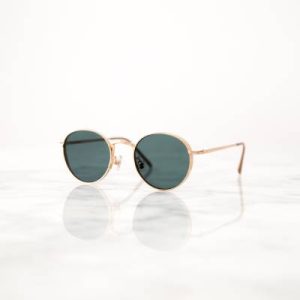


Beauty in Minimalism: The Rise of ‘Less is More’ in 2025
In a world increasingly characterized by clutter and noise, minimalism has emerged as a life-affirming antidote. As we progress through 2025, the ethos of “less is more” continues to shape different facets of culture, from architecture and interior design to fashion and personal well-being. This article explores how the minimalist aesthetic has inundated our lifestyles, promoting a sense of balance, peace, and intention.
The Rise of Minimalism: A Historical Perspective
Minimalism isn’t a new concept; its roots can be traced back to the late 1950s and 1960s in the realm of art and architecture. Yet, the rapid technological advancements and consumer culture of the 21st century brought about a counter-reaction. By the mid-2020s, minimalism has evolved from a mere aesthetic choice into a lifestyle choice for many, signaling a substantial societal shift.
Cultural anthropologists note that this transition correlates with the increasing stress levels during the global crises of the 2010s. The pandemic in particular resulted in a reevaluation of priorities, pushing individuals to seek fulfillment beyond material possessions. According to a 2023 survey conducted by the National Institute for Mental Health, 78% of respondents reported feeling overwhelmed by their living environments; as a result, many began to embrace more minimalist lifestyles.
Decluttering: The Emotional and Psychological Benefits
Decluttering has become a buzzword, highlighting a pervasive desire to simplify. The act of letting go can bring clarity and peace—a sentiment echoed in the teachings of Marie Kondo, whose principles have permeated global consciousness. Experts underscore the psychological implications behind the decluttering process. Dr. Ellen Fisher, a psychologist specializing in the relationship between environment and well-being, states, “Organized spaces can lead to organized minds.”
In 2025, mental health professionals increasingly advocate for minimalist lifestyles as a tool for fostering mental well-being. Virtual workshops and social media communities focused on decluttering not only supply practical tips but also inspire individuals to forge deeper connections with their possessions—prioritizing quality over quantity. The result? A newfound appreciation for the items we choose to keep, often leading to a heightened state of gratitude.
Minimalism in Fashion: A Shift Towards Timeless Pieces
The fashion industry is also experiencing a renaissance influenced by minimalism. In recent years, the trend of ‘slow fashion’ has gained traction, offering a counter-narrative to fast fashion’s relentless churn. Designers in 2025 are opting for sustainable materials, timeless cuts, and neutral palettes, emphasizing the philosophy of quality over quantity.
Brands like Everlane and Reformation have taken the lead, creating capsule collections that allow consumers to purchase fewer, but more versatile pieces. Fashion designer Sarah Johnson emphasizes, “The beauty of minimalism in fashion lies in its ability to create countless combinations from a few articles, encouraging individuality and creativity.” As a result, minimalism in fashion isn’t merely an aesthetic but a lifestyle that fosters sustainable consumption.
Architecture and Interior Design: Space as Sanctuary
The minimalist movement has revolutionized architecture and interior design, prioritizing functionality and simplicity. Open floor plans and natural lighting have become hallmarks of modern homes in 2025. The concept of “living intentionally” has influenced how architects design spaces, creating environments that promote well-being and connectivity with nature.
Architectural firms are innovating sustainable building practices, integrating natural materials such as wood and stone to create a sense of harmony with the environment. Marisa Lin, an architect known for her minimalist designs, asserts, “A home should be a sanctuary that reflects your values; minimalism allows for personal expression without the chaos of excess.” As urbanization grows, many homes are designed to provide a retreat from the bustling cities outside, embodying the essence of peaceful living.
Technology: Less Distraction, More Presence
Digital minimalism, a concept gaining traction in the age of information overload, promotes intentional engagement with technology. In 2025, individuals are employing strategies to reduce screen time and social media distractions, cultivating spaces in their lives where technology is absent. Mobile apps that limit usage and promote mindfulness have surged in popularity, reflecting a collective desire to regain control over digital life.
Furthermore, many companies are embracing minimalism in their designs, creating intuitive interfaces that prioritize user experience. As a result, technology is becoming a tool for enhancement rather than a source of anxiety—a progressive shift that aligns with the minimalist lifestyle.
Conclusion: Embracing the Future of Minimalism
As we navigate the ever-evolving 2025 landscape, the principles of minimalism continue to resonate across various domains. From mental health benefits to sustainable fashion and serene architecture, the philosophy of “less is more” encapsulates a profound desire for harmony, simplicity, and authenticity.
The minimalist movement encourages us to refocus our energies on meaningful experiences rather than material accumulation. As society embraces this cultural shift, we may find that, in our pursuit of simplicity, we ultimately enrich the complexity of our lives—one intention, one choice, and one beautifully curated space at a time.
Related Products
-
Sale!
Product 2025-10-01
Cosmetic Products€14,90Original price was: €24,28.€18,18Current price is: €18,18.
€18,18 incl. VAT -
Top Cosmeric Product 2024 | Best Skincare & Beauty Solutions
Body Care€10,00€12,20
€12,20 incl. VAT -
Sale!
Soluta.
Accessories€200,00Original price was: €244,00.€244,00Current price is: €244,00.
€244,00 incl. VAT