In recent years, the haircare industry has been transformed by a new wave of indie brands that have captured the attention and loyalty of consumers looking for authenticity, originality, and quality. Shifting away from traditional corporate conglomerates, these independent brands are leading a revolution rooted in innovation, sustainability, and personalized care.
The Consumer Shift: A Demand for Transparency
Consumers today are more informed than ever, thanks in part to the rise of social media and e-commerce. Influencers, bloggers, and online reviews provide instant access to product opinions. As such, many shoppers demand transparency regarding ingredient sourcing, ethical practices, and overall product efficacy.
Indie brands often respond to this demand by providing detailed ingredient lists and narratives about their sourcing methods. For instance, brands like Folicul emphasize organic ingredients and eco-friendly packaging, building trust with their consumer base.
Innovation Over Tradition
Indie brands are also at the forefront of innovation, often experimenting with new formulations that large corporations are too risk-averse to explore. From formulations that nourish the scalp with medicinal herbs to revolutionary cleansing methods that minimize shampoo usage, these brands are shaking up traditional haircare routines.
Example: Brands like OUAI focus on multi-functional products that serve several purposes at once. Their “Scalp & Body Scrub,” for instance, not only exfoliates but also invigorates the scalp, providing a holistic approach to hair and body care.
Sustainability and Ethical Practices
Larger corporations have often been criticized for unsustainable production practices. In contrast, many indie brands prioritize sustainability in their business models. This commitment often translates to environmentally friendly packaging, cruelty-free testing, and ethically sourced ingredients.
Companies like Bamboo Earth use recyclable materials and encourage their customers to recycle through incentives. Such practices resonate well with eco-conscious consumers who wish to make responsible purchasing decisions.
The Power of Community
Another significant factor to consider is the community-centric approach that many indie brands adopt. These brands frequently foster communities not only around their products but also around shared values and lifestyle choices.
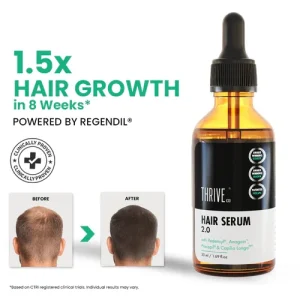
Social media has played a fundamental role in amplifying these communities. Brands actively engage customers on platforms like Instagram, creating a dialogue that encourages feedback and loyalty. Users are often invited to share their experiences, posting before-and-after images that serve to promote the brand organically.
For example, the brand UNITE Hair has leveraged user-generated content to showcase real results, making consumers feel more connected and invested in the products.
Quality Over Quantity
While mass-produced products may aim for accessibility, the indie market places a premium on quality. Small batch production often leads to more deliberate formulation choices, resulting in products that deliver tangible benefits without unnecessary additives.
Brands like Lindsay Hair produce small batches, ensuring each product meets a high standard of quality. Consumers are willing to pay more for haircare that works, particularly when they are informed about the sourcing and manufacturing processes involved.
Educating the Consumer
Indie haircare brands understand the importance of consumer education. Many invest in content marketing, providing valuable information about hair health, styling techniques, and ingredient benefits. This educational approach not only builds trust but also positions the brand as a reliable authority in the haircare space.
Websites often feature blogs, tutorial videos, and how-to guides, ensuring that customers not only understand how to use the products but also why they work. This transparency boosts consumer confidence, making them more likely to invest in a product they might not have otherwise considered.
Challenges Faced by Indie Brands
However, it’s important to note that indie brands also face significant challenges. Competition with larger companies’ marketing budgets can make it tough for these smaller players to get noticed. Distribution issues can also arise, especially in a market dominated by established retailers.
Despite these hurdles, many indie brands are finding innovative solutions to reach their audience. Direct-to-consumer models and strategic partnerships with boutique retailers help them build unique customer interactions that are often more personalized than traditional retail experiences.
The Future of Haircare is Indie
The rise of indie brands in the haircare sector showcases a growing consumer preference for authenticity and quality over mass production. With their focus on innovation, sustainability, and community engagement, these brands are not just following trends; they are setting the stage for the future of haircare.
As consumers continue to prioritize transparency, ethical practices, and personalized experiences, the growth trajectory of indie haircare brands seems not only sustainable but likely to flourish. In a sea of sameness, indie brands are truly the dynamic wave embracing the future of haircare innovation you can trust.
Related Products
-
Sale!
Product 2025-10-01
Cosmetic Products€14,90Original price was: €24,28.€18,18Current price is: €18,18.
€18,18 incl. VAT -
Top Cosmeric Product 2024 | Best Skincare & Beauty Solutions
Body Care€10,00€12,20
€12,20 incl. VAT -
Sale!
Soluta.
Accessories€200,00Original price was: €244,00.€244,00Current price is: €244,00.
€244,00 incl. VAT